Strategy

What startups get wrong about MVP design and how to fix it

Fast doesn’t mean sloppy. Here’s how to build MVPs that are focused, usable, and ready for real feedback.


Jennifer Davis

Designer

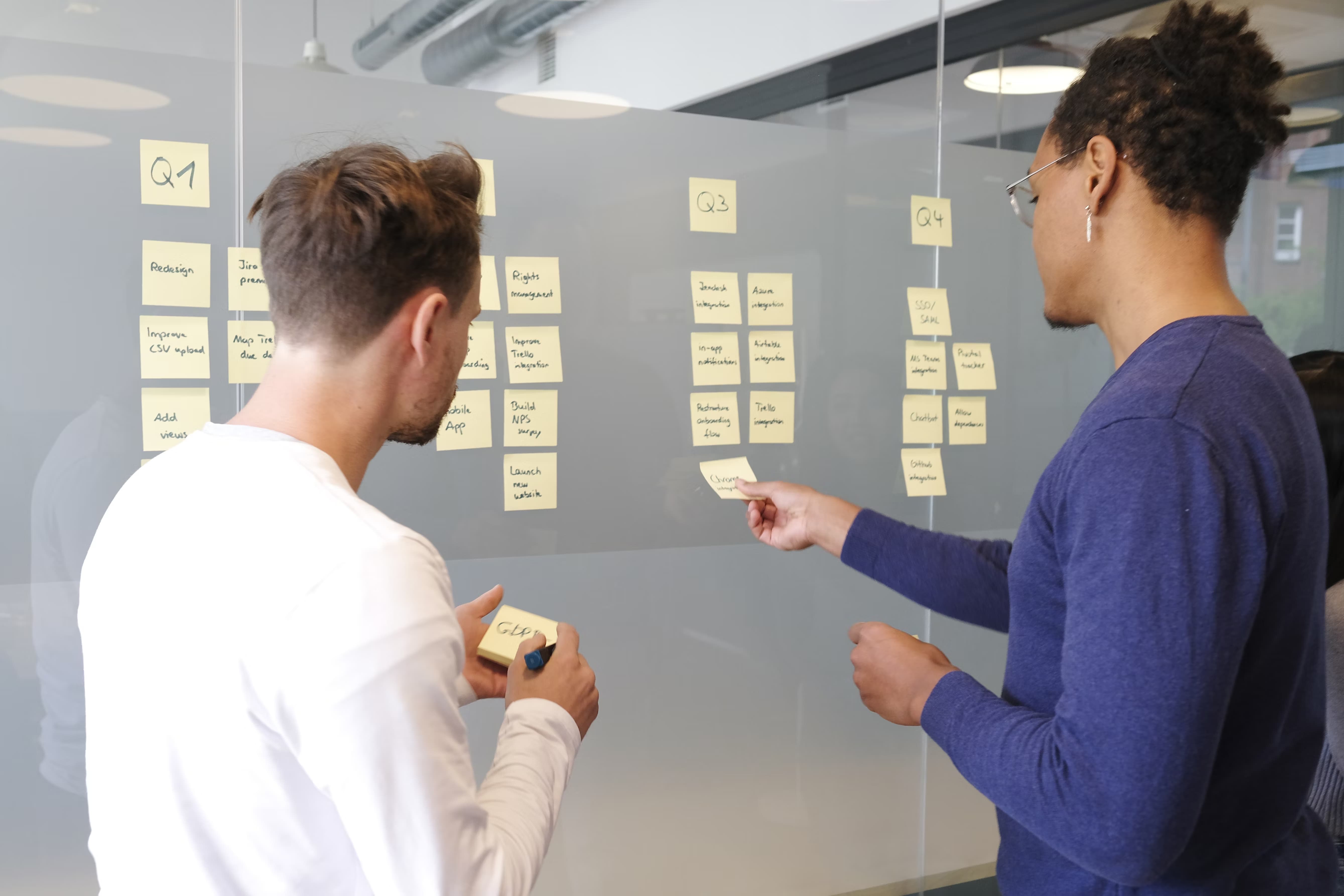
Cover image for blog post

The term “MVP” gets thrown around like a hall pass to ship something unfinished. And in early-stage teams, we get it—there’s pressure to move quickly, prove traction, and show progress.

But “minimum viable product” was never meant to mean “ugly but functional.”
And yet, that’s what many teams end up with.

At Ageva, we’ve helped dozens of startups bring their MVPs to market—and we’ve also been brought in after bad MVPs flopped. The patterns are clear.

Let’s talk about the common mistakes and what to do instead.

Mistake #1: Shipping too much

Founders often cram in every potential feature to “show what’s possible.” But an MVP isn’t a showcase—it’s a sharp, focused test of one core value.

The more you pile on, the harder it is to see what’s actually working.

Do this instead:
Pick one use case. One user. One moment of value. Build around that. Everything else can wait.

The goal of an MVP isn’t to impress—it's to learn.

Mistake #2: Treating design like frosting

We’ve seen founders say: “Let’s just make it work, we’ll polish the UI later.”

But design isn’t decoration. It shapes how people understand the product, how fast they reach value, and whether they trust it enough to stick around.

What happens when you skip design:

  • Users get confused

  • Flows feel clunky

  • You spend more time explaining than onboarding

Do this instead:
Keep the interface simple, yes—but make sure it’s intentional. Clarity, structure, and confidence-building UI matter more than fancy gradients.

Mistake #3: Launching without context

A great MVP isn’t just a working product—it’s a narrative. It needs positioning, a landing page, an onboarding flow, and a clear reason why someone should care.

Without that, you're launching into a void.

We’ve seen amazing tools fall flat because the founder was too deep in the weeds to step back and say:

  • Who’s this for?

  • Why now?

  • What does it replace?

Do this instead:
Build the context with the product. A short landing page, a 1-minute explainer, even a basic FAQ can make all the difference.

Mistake #4: Thinking it’s one-and-done

An MVP isn’t the finish line—it’s the first checkpoint. But many teams launch it, get lukewarm feedback, and immediately pivot (or panic).

Do this instead:
Treat it like a conversation starter. Build tracking in from the start. Run 1-on-1 user sessions. Refine based on what people actually struggle with—not what you think is broken.

Iteration is where MVPs evolve into real products.

The Ageva approach

We work with teams to design MVPs that are fast—but focused. Clear, not cluttered. Built to test assumptions, but polished enough to earn trust.

That means:

  • Low overhead systems that can scale later

  • Lightweight design rooted in brand clarity

  • Collaborative workflows between design, content, and dev from day one

We don’t slow down speed—we protect the signal.

Final thought

The fastest MVP isn’t the one that ships first.
It’s the one that gets real feedback, earns real usage, and sets up the product to grow with confidence.

So don’t just ask: How fast can we launch?
Ask: What are we actually launching—and why will anyone care?

If you're building something and want it to matter from day one, let's talk. At Ageva, we help startups skip the panic stage and launch with purpose.

FAQ’s

Frequently asked questions

Frequently asked questions

Not sure about something? Check our FAQ for quick answers and helpful details.

Not sure about something? Check our FAQ for quick answers and helpful details.

How long does it take to launch an MVP with Peak Studio?

14 days, brief to launch. Every Sprint includes design, development, automation, and pre-launch A/B testing — so by the time your product goes live, it's already been validated, not just built. Most agencies quote 2–3 months for the same scope. We compress that into two weeks because we cut the parts that don't move your launch forward: long discovery decks, multiple rounds of internal sign-off, and sequential (rather than parallel) workstreams.

What's included in a Peak Studio Sprint?

A fixed 14-day engagement covering GTM strategy, design, development, and pre-launch creative testing — for $5,000. You get one revision round and direct access to your sprint lead throughout. Nothing is hourly or open-ended; the scope and price are fixed before we start, so there's no surprise invoice at the end.

How is Peak Studio different from a traditional design or development agency?

Two things: speed and validation. We deliver in 14 days, not 14 weeks. And unlike most agencies, we test your creative and copy with real audience data before it goes live — using pre-launch A/B testing — so you're not guessing whether your launch will work. You're shipping the version that's already shown signal.

Do you work with startups outside India?

Yes. Peak Studio serves founders and businesses across India, the Middle East, and Southeast Asia. Pricing is localized accordingly — Sprints start at $5,000, with India-based engagements also available in INR.

What happens after the first Sprint? Can I continue working with Peak Studio?

Most clients move into our Growth plan — $8,500/month for two sprint cycles, a 15% saving versus booking Sprints individually. It's built for teams past MVP stage who need continuous design, automation, and creative testing without re-negotiating scope every month. For larger or more complex needs, our Partner tier offers a fully embedded team with custom scope and pricing.

What do I need to provide before a Sprint starts?

Four things, ready on Day 1: a clear brief, your brand assets, a decision-maker available for daily input, and confirmed budget. This is non-negotiable — it's the reason we can guarantee 14 days. Clients who show up prepared are the reason this model works; clients without these four ready typically need a short pre-sprint alignment call first.

Is the 14-day timeline realistic, or is it marketing?

It's the actual delivery model, not a promotional claim — which is why it's tied to a fixed scope and a fixed price. The trade-off for speed is preparation: we ask for a complete brief and available decision-maker upfront precisely so nothing slows down the build once we start. Agencies that promise fast timelines without this requirement are usually the ones that miss them.

How long does it take to launch an MVP with Peak Studio?

14 days, brief to launch. Every Sprint includes design, development, automation, and pre-launch A/B testing — so by the time your product goes live, it's already been validated, not just built. Most agencies quote 2–3 months for the same scope. We compress that into two weeks because we cut the parts that don't move your launch forward: long discovery decks, multiple rounds of internal sign-off, and sequential (rather than parallel) workstreams.

What's included in a Peak Studio Sprint?

A fixed 14-day engagement covering GTM strategy, design, development, and pre-launch creative testing — for $5,000. You get one revision round and direct access to your sprint lead throughout. Nothing is hourly or open-ended; the scope and price are fixed before we start, so there's no surprise invoice at the end.

How is Peak Studio different from a traditional design or development agency?

Two things: speed and validation. We deliver in 14 days, not 14 weeks. And unlike most agencies, we test your creative and copy with real audience data before it goes live — using pre-launch A/B testing — so you're not guessing whether your launch will work. You're shipping the version that's already shown signal.

Do you work with startups outside India?

Yes. Peak Studio serves founders and businesses across India, the Middle East, and Southeast Asia. Pricing is localized accordingly — Sprints start at $5,000, with India-based engagements also available in INR.

What happens after the first Sprint? Can I continue working with Peak Studio?

Most clients move into our Growth plan — $8,500/month for two sprint cycles, a 15% saving versus booking Sprints individually. It's built for teams past MVP stage who need continuous design, automation, and creative testing without re-negotiating scope every month. For larger or more complex needs, our Partner tier offers a fully embedded team with custom scope and pricing.

What do I need to provide before a Sprint starts?

Four things, ready on Day 1: a clear brief, your brand assets, a decision-maker available for daily input, and confirmed budget. This is non-negotiable — it's the reason we can guarantee 14 days. Clients who show up prepared are the reason this model works; clients without these four ready typically need a short pre-sprint alignment call first.

Is the 14-day timeline realistic, or is it marketing?

It's the actual delivery model, not a promotional claim — which is why it's tied to a fixed scope and a fixed price. The trade-off for speed is preparation: we ask for a complete brief and available decision-maker upfront precisely so nothing slows down the build once we start. Agencies that promise fast timelines without this requirement are usually the ones that miss them.